When Minimalism Becomes Laziness
A dear friend and I were recently talking about the idea of romanticizing your life—a phrase that gets tossed around often, but carries far more meaning when viewed through a spiritual lens. The conversation unfolded after I confessed the unmotivated attitude I had slipped into during the year and a half my family spent living in a travel trailer while building our home.
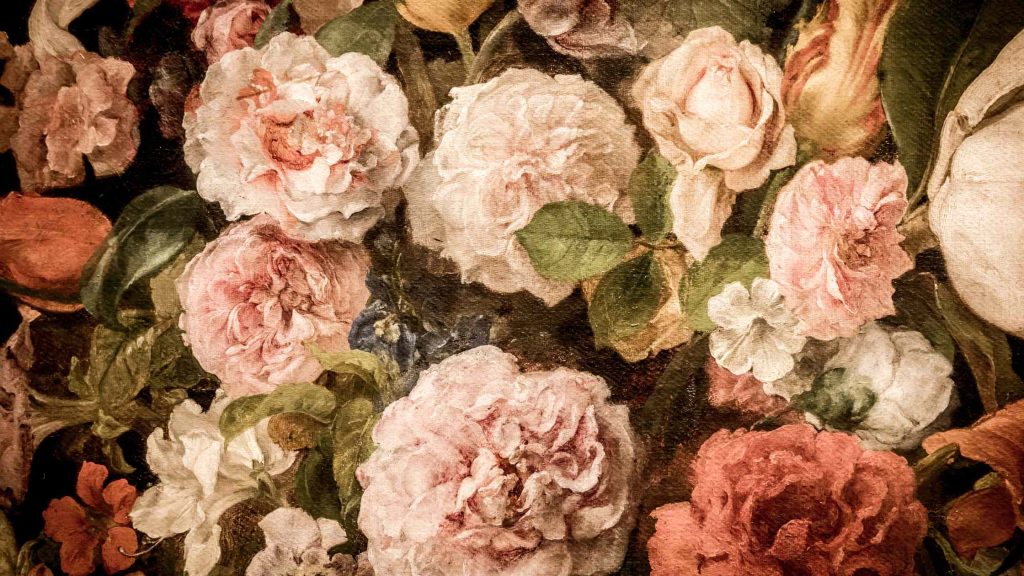
To survive in that tiny space, I became a minimalist. And while minimalism has its virtues, I learned firsthand how easily it can morph into apathy when it stops making room for creativity. The inner dialogue that once asked, “How can I make this space beautiful?” quietly shifted into, “Why bother? I don’t need more things.” The dress I wanted because it made me feel lovely became, “Oh well, pajamas are fine—I live in a camper.”
Balance always matters; we are wise to avoid idolatry and legalism. But the longing to create and behold beauty is not sinful. It is sacred. It is human. God designed us—especially women—to notice, cultivate, and embody beauty. When we deny that part of our nature, something within us begins to wilt.
The Spirituality of Beauty
Exodus 31:3 gives us an extraordinary glimpse into how God values beauty and craftsmanship:
“And I have filled him with the Spirit of God, with ability and intelligence, with knowledge and all craftsmanship.”
These words were spoken about Bezalel—the first person in Scripture said to be filled with the Spirit of God. And why was he filled? To create beauty. To build the Tabernacle with skill, artistry, and divine wisdom. God’s presence would dwell in a place fashioned by Spirit-inspired creativity.
What does this reveal about God’s character?
It tells us that beauty is not frivolous. Creativity is not optional. Order, craftsmanship, and artistry are expressions of God’s nature—and gifts He invites us to share in. God didn’t need a beautiful Tabernacle. But He desired one. And He empowered humans to build it so that we could experience deeper fellowship with Him.
Is this not a foreshadowing of the greater tabernacle—the indwelling of the Holy Spirit through Christ’s death and resurrection—so that God Himself could make His home in us?

Heaven’s Beauty: A Forgotten Theology
In many Christian circles, beauty is treated as superficial—something materialistic or vain. But those who study near-death experiences (as I have in recent years) notice a different pattern entirely. Their testimonies, along with John’s descriptions in Revelation, paint heaven as overflowing with breathtaking splendor: streets of gold, gates of pearl, radiant colors unseen on earth, gardens pulsing with life, and people restored to the peak of health—glowing, vibrant, whole.
Even creation itself is luminous with God’s presence.
This longing for perfection that lives deep within us—our culture’s obsession with youth, vitality, biohacking, and restoration—is simply a symptom of remembering, however faintly, that we were not made for decay. We are homesick for a place we have not yet seen but instinctively recognize.
Beauty is not accidental. Beauty is eternal.
And we were created both to marvel at it and to mirror it.
What Does It Mean to Romanticize Your Life?
With this spiritual foundation, let’s revisit the idea of romanticizing life—not as escapism or indulgence, but as worship.
Ask yourself:
- Do I notice the small gifts God places in my day?
The mourning dove greeting the sunrise.
The warmth of early light filling your eyes.
The cool grass beneath your feet.
A candle’s glow as you open Scripture. - Do I prepare meals with care, or simply throw things together?
Not out of guilt or perfectionism, but with mindful gratitude.
Romanticizing your life is not about creating pressure. The moment it becomes a “must,” you’ve missed the point. This is about awareness—inviting God into the process and asking Him:
“Where should I add beauty, and where should I release burdens?”
It may be as simple as learning a new skill, stepping away from your phone, or letting your senses reconnect with the world God made for your enjoyment.
A Poem for Reflection
If the trees heal you, know that God made them.
If the sun enriches you, know that God made it.
If the earth satisfies you, know that God made it.
If the galaxies astound you, know that God made them.
If the ocean heals you, know that God made it.
If the mountains ignite you, know that God made them.
If your heart loves, feels, desires, and gives,
know that God made it—and calls you the crown of His creation.
The Modern Dilemma of Dissociation
In my journey through chronic pain, I’ve noticed many women—myself included—slipping into dissociation. It becomes a survival mechanism, a way to separate ourselves from a version of life we never asked for.
Yet, the more I learn, the more I see that the brain can heal in simple, profound ways. And interestingly, every modern psychological insight echoes ancient biblical wisdom:
- Do not be anxious.
- Take every thought captive.
- Meditate on truth.
- Be creative.
- Do not fear.
- Abide in Christ.
Add to this the numbing effect of doom-scrolling and outsourcing our inner questions to technology, and dissociation becomes even easier. The enemy uses distraction to dull our creativity, fracture our attention, and distance us from fellowship—with others and with Christ.
It quenches the Spirit.
I Dare You to Invite Romance Back Into Your Life
And not just through date nights or grand gestures—though those have their place.
I mean romance in the way you breathe, observe, savor, and create beauty.
- Hug your children throughout the day.
- Listen to the bird’s song instead of rushing past it.
- Paint. Cook. Craft.
- Chew your food slowly and notice the taste.
- Share experiences with people you love.
God filled the world with beauty for you.
And He invites you to join Him in making more of it.
Below are seven ways I’ve learned to welcome romanticism back into everyday life.
9 Ways to Invite Romanticism Into Your Life
Learn something new each month; refine something each year.
Hobbies awaken creativity and silence worry. I spent years obsessing over my health—research becoming my idol. Slowly, I returned to the simple graces God already gave through nature and creativity.
Practice gratitude in all things.
Keep a gratitude journal. Teach your children to give thanks.
The real test of gratitude is what you do with suffering.
As quoted from Joni Eareckson Tada’s devotional The Practice of the Presence of Jesus, we find purpose in suffering:
“For her the focus in all her suffering is not to find answers, but to find the Answer, God’s Son who suffered for her…”
I spent countless hours hunting for explanations for my illness. But the deepest healing came when I knelt before God. I can now say with conviction:
“Thank You for my suffering—it has led me closer to You.”
Abide in Jesus throughout your day.
Light a candle. Brew tea. Journal honestly. Confess freely.
Every spiritual blessing is already yours in Christ—ask the Spirit to help you walk in what you already have.
Create daily rituals that slow your pace.
Routines don’t have to be rigid. They can simply mark transitions.
After homeschooling, my son and I go outside and practice mindfulness through the five senses. These tiny pauses anchor us back to the moment.
Revive traditions and create memories.
Think of the rituals from your childhood that shaped you.
These moments become anchors of belonging for your family.
Hold sacred the rhythms that bring life and joy.
Share meals and table games.
A single daily meal together can transform family culture.
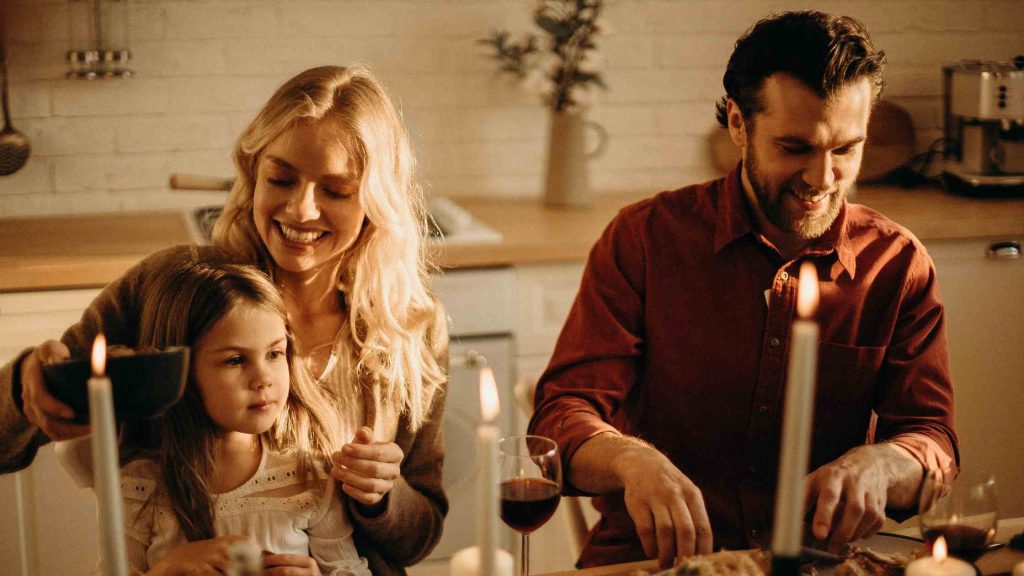
Light candles, make dessert, linger, laugh, play—connect.
Honor your circadian rhythm.
Scripture and creation both testify to this rhythm.
Rise with the sun. Step outside often. Dim the lights after dusk.
Let silence speak. Read by firelight. Pray. Listen.
Live slowly and intentionally.
The 2-2-2 Marriage Rule
A simple rhythm:
A date every 2 weeks.
A weekend getaway every 2 months.
A family vacation every 2 years.
Breathwork & the Five Senses Practice
Deep breathing, grounding exercises, and sensory awareness pull you back into your body and into the present moment. Even a few minutes a day can soften anxiety and heighten gratitude.
A Final Word
None of this is complicated—but it is countercultural. And the most important thing to remember is this:
Your children are not an obstacle to romanticizing life.
They are part of the beauty. Invite them into it.
Some of our deepest sleep and sweetest moods follow evenings spent reading by candlelight, playing games, or simply being together.
Life is a privilege, not a burden.
Be grateful. Be mindful. Be creative.
Invite beauty into every corner of your life—and watch how God meets you there.